Noakhali is a region defined by the rhythmic tides of the Meghna River and the indomitable spirit of its people. Known historically as Bhulua, Noakhali serves as the heart of our community in Sweden. It is a land where ancient history meets coastal beauty, and where the people are as sturdy as the coconut trees that line their horizon.
Established: Formally established as a district in 1821, though its history as “Bhulua” dates back centuries.
The Meaning: The name originates from the words “Noa” (meaning “new”) and “Khali” (meaning “canal”). In 1660, a massive canal was dug to protect the region from devastating floods. This “New Canal” eventually became the name of the entire district.
The Center: The district headquarters, Maijdee, is unique in Bangladesh for its “tank-based” urban planning, designed to provide a sustainable water system for the town.
Resilience: Living in a coastal belt has made the people of Noakhali exceptionally brave and hardworking. They are world-renowned for their “can-do” attitude and entrepreneurial success.
The “Noakhailla” Identity: The people possess a deep sense of brotherhood. Whether in Stockholm or Dhaka, the unique Noakhali Dialect acts as a bond of trust and instant connection.
Hospitality & Food: Noakhali is the home of the Mezban—a grand community feast. The people are famous for their generosity, often serving spicy beef curries and traditional coconut-based desserts to guests.
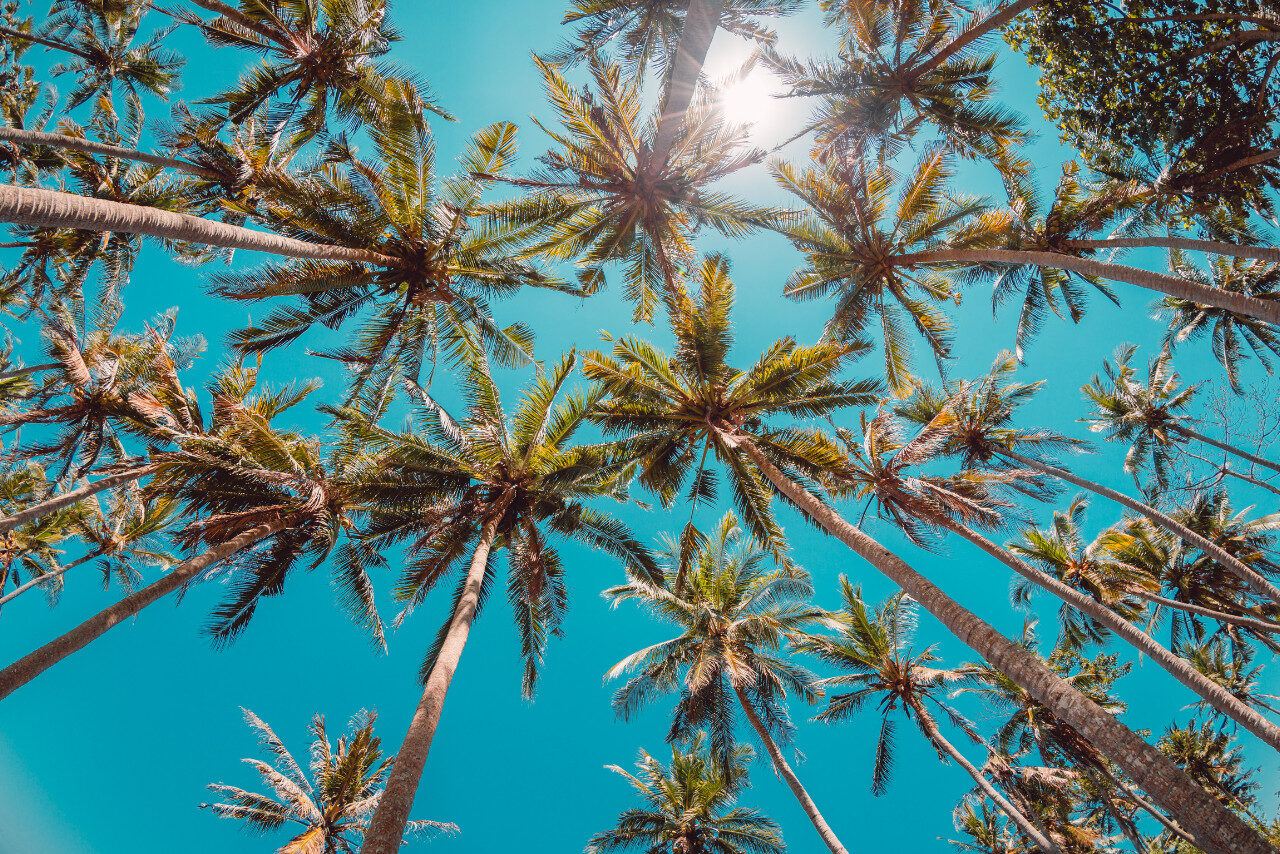
The Green Canopy: Noakhali is often called the “Land of Palms.” It is dominated by endless groves of Coconut and Betel Nut trees, giving the landscape a lush, tropical feel unlike any other part of Bangladesh.
Coastal Horizons: To the south lies the vast Bay of Bengal. The region is a mix of fertile silt-plains and mysterious “Chars” (newly formed lands) that rise from the sea.
Nijhum Dwip (Silent Island): A jewel of nature. This island is a sanctuary for thousands of Spotted Deer and migratory birds, representing the untouched beauty of the Noakhali coast.
The Food Basket: The fertile soil produces massive quantities of Paddy (Rice), Soybeans, and King Chilies.
Dab-Supari Economy: Noakhali is a national leader in Coconut and Betel Nut production. These are the primary sources of income for many rural households.
Salt & Sea: The district is a major hub for Salt production and Fishing. The Hilsa fish from the Noakhali coast is prized for its size and taste.
Cottage Industries: Famous for traditional Cane and Bamboo craftsmanship, as well as high-quality Pottery and handloom textiles.
Gandhi Ashram: A world-famous center for peace and rural development in Joyag, reflecting the region’s commitment to social welfare.
Bazra Shahi Heritage Site: An 18th-century architectural masterpiece inspired by the Mughal style in Delhi.
Noakhali Science and Technology University (NSTU): A modern symbol of the district’s dedication to education and future progress.
Noakhali has been the birthplace of legendary scholars and artists, such as:
Mofazzal Haider Chaudhury: An eminent educator and scholar.
Belal Muhammad: A pioneer of the cultural movement and broadcasting.
Serajuddin Kashem: A respected figure in literature and education.
Old Name: Bhulua.
Famous For: Resilience, Coconuts, Hilsa Fish, and Unique Dialect.
Main Rivers: Meghna, Dakatia, and Little Feni.
Area: Approx. 3,601 sq km.
Population: Over 3.5 Million.
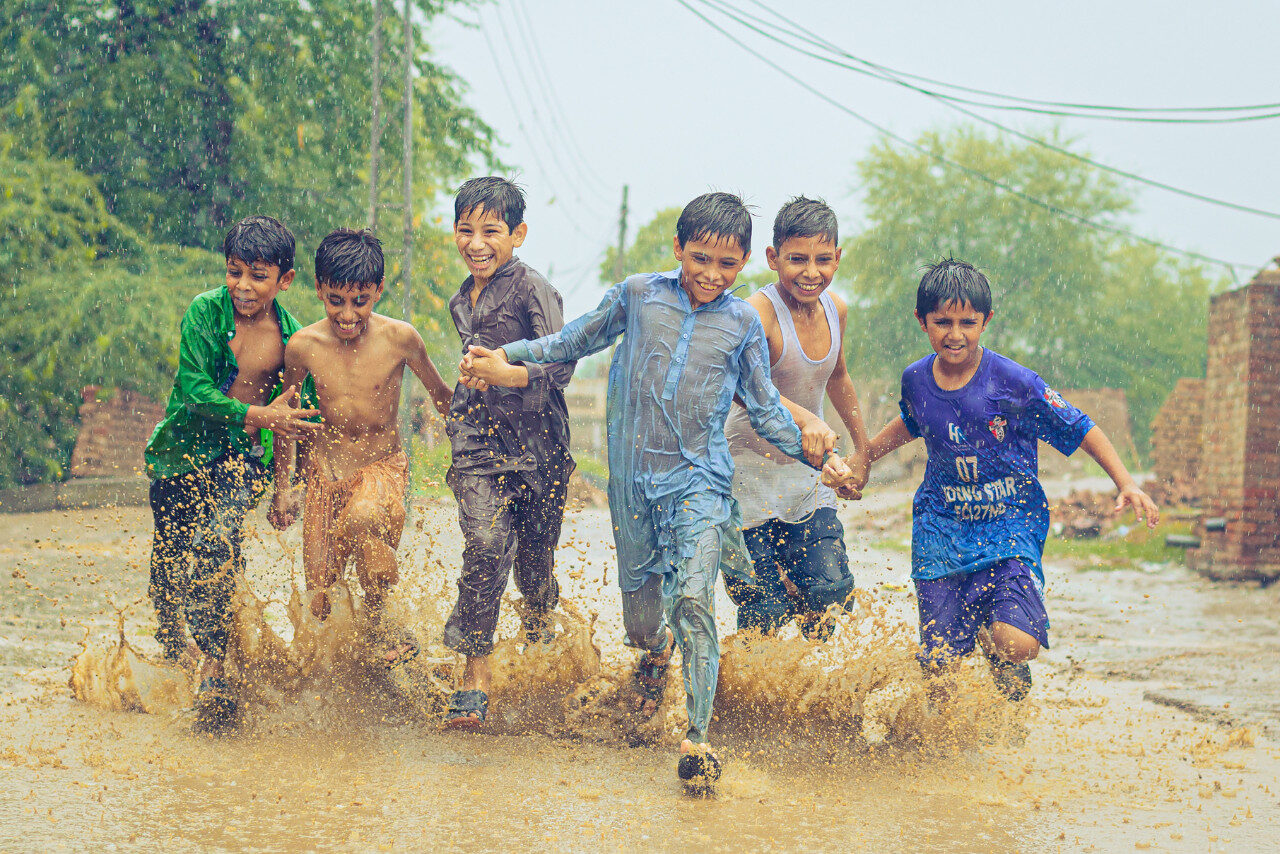
The Greater Noakhali Society Sweden is open to everyone from Noakhali, Feni, and Lakshmipur living in Sweden. Join a community where your voice matters and your heritage is celebrated.
Everything you need to know about the GNSS. From membership eligibility to our core values, find clear answers to help you navigate our community and stay connected to your roots.
It is a non-political and non-sectarian organization established on 23 November 2025 to unite people in Sweden from the Noakhali, Feni, and Lakshmipur regions.
Anyone residing in Sweden who originates from the Greater Noakhali region, including their spouses and children, is eligible to join.
Our mission is to strengthen mutual cooperation, provide humanitarian support, preserve Bangladeshi culture, and introduce the new generation to their ancestral history.
The annual membership fee is set at 200 SEK per person to support the society's activities and welfare programs.
No. The society is strictly non-political and non-sectarian. Political discussions or party-based propaganda are not permitted at any event or meeting.
The society is managed by a nine-member Executive Committee, which includes a President, Vice President, General Secretary, and Treasurer, elected every two years.
We organize at least three major events annually, including Eid gatherings, the Noakhali Mezban, Bangla New Year (Pahela Baishakh), and Pitha Festivals.
The society maintains an official bank account. All financial transactions require joint signatures from two authorized officers, with the Treasurer’s signature being mandatory.
Yes, but only with the approval of at least two-thirds of the general members to ensure any changes benefit the entire community.
Members are invited to attend our Annual General Meeting (AGM) and participate in our social and humanitarian initiatives throughout the year.
Signup our newsletter to get update information, news & insight
Greater Noakhali Society Sweden is a non-political and non-sectarian community organization established on 23 November 2025. We are dedicated to uniting residents in Sweden from Noakhali, Feni, and Lakshmipur to preserve our rich Bangladeshi heritage and support one another through mutual cooperation and humanitarian aid.
© 2026 Greater Noakhali Society Sweden | Privacy Policy