Feni is known as the “Gateway to Chittagong” and stands as a vital link between the capital and the coastal south. As a key district of the Greater Noakhali Society Sweden, Feni represents a legacy of education, historical importance, and a community known for its immense contribution to the progress of Bangladesh.
Established: Feni was upgraded to a district in 1984, though it has been a prominent administrative sub-division (Mahakuma) since 1875.
The Meaning: The name is derived from the Feni River. Historically, this river served as a natural boundary and a hub for trade and navigation. The word “Feni” itself has roots in the local dialect describing the shape or flow of the river’s water.
The Strategic Location: Feni is unique because it shares an international border with the Indian state of Tripura and serves as the transit point for the entire southeast of the country.
The Spirit of Education: Feni has one of the highest literacy rates in the region. The people are known for being highly educated, career-oriented, and deeply involved in the civil service and academic sectors of Bangladesh.
Bravery & Patriotism: Feni is a land of heroes. Its people played a monumental role in the language movement and the freedom struggle, showcasing a spirit that never bows to pressure.
Global Presence: The Feni diaspora is vast and successful. In Sweden, Feni members are known for their leadership skills and their dedication to organizing community welfare programs.
The Riverine Landscape: Feni is defined by three major rivers—the Feni, the Little Feni, and the Muhuri. The Muhuri Irrigation Project area is a stunning example of how man and nature can create beauty together.
The Muhuri Project: Known as one of the most scenic spots in the district, it offers vast water views, wind turbines, and lush greenery, making it a favorite for nature lovers.
Fertile Plains: Unlike the coastal salt-lands, Feni’s inland geography is characterized by rich, fertile agricultural plains that stay green throughout the year.
The Business Hub: Due to its location on the Dhaka-Chittagong highway, Feni is a massive hub for trade and commerce.
Agricultural Excellence: The district is famous for its production of Paddy (Rice), Wheat, and Pulses. The “Feni Chilies” are also renowned for their distinct spice level.
Fish Farming: Feni is a leader in freshwater aquaculture. The district’s ponds and rivers provide a significant portion of the region’s fish supply.
Muhuri Dam: Beyond irrigation, the dam area has become a center for sustainable energy and agricultural innovation.
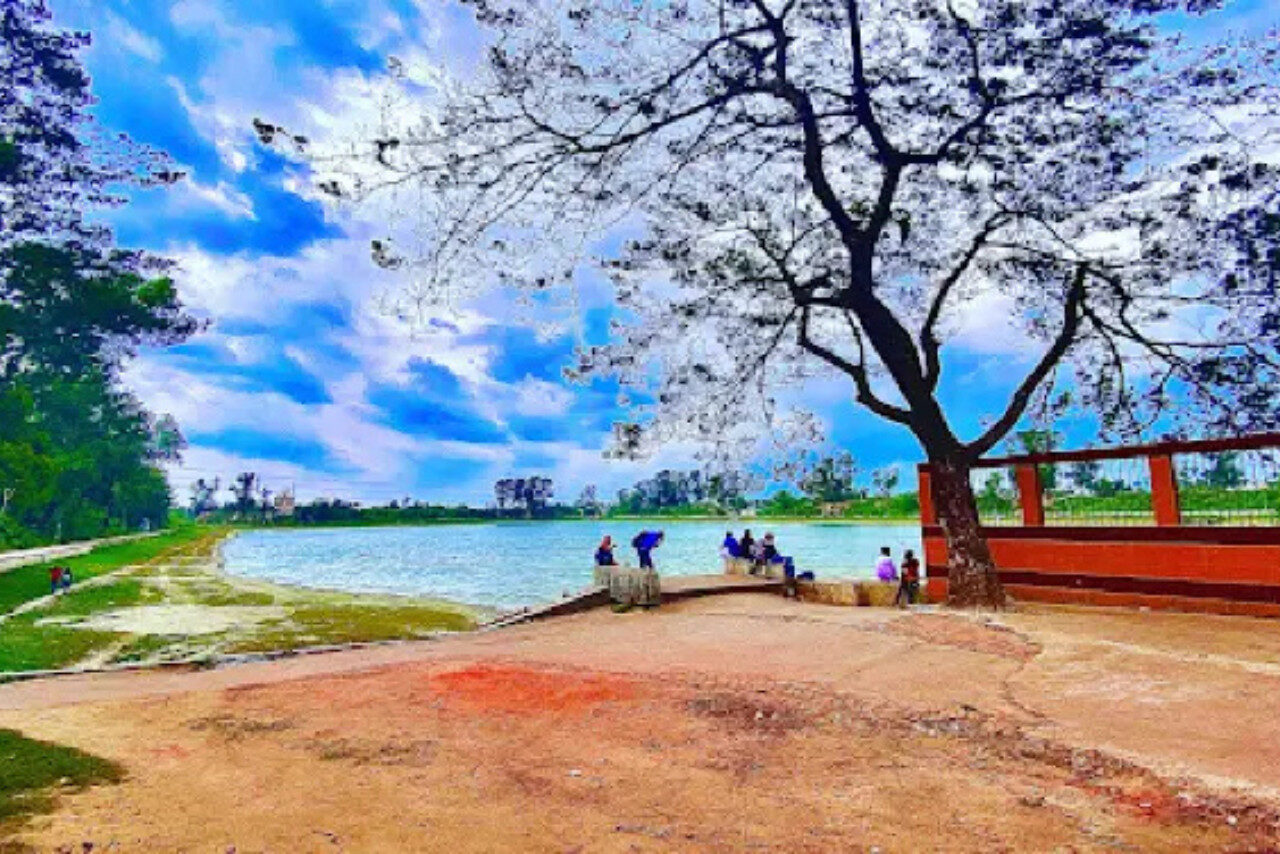
Bijoy Singha Dighi: A massive, ancient lake (dighi) that covers over 37 acres. It is a symbol of the region’s royal history and a popular spot for relaxation.
Pagla Mia Mazar (Heritage Site): A site of historical and cultural significance that reflects the spiritual heritage of the local population.
Feni Government College: Established in 1922, this is one of the oldest and most prestigious educational institutions in the country.
Sona Gazi Catchment Area: A beautiful coastal area that showcases the transition from land to sea.
Feni has birthed many iconic figures who shaped the nation’s culture and intellect:
Zahir Raihan: A legendary filmmaker, novelist, and visionary.
Shahidullah Kaiser: A prominent novelist and journalist.
Selinia Hossain: A world-renowned author and scholar.
Status: The Gateway District.
Famous For: Education, Muhuri Project, and Bijoy Singha Dighi.
Main Rivers: Feni, Little Feni, and Muhuri.
Area: Approx. 928 sq km.
Border: Shares a border with Tripura, India.
The Greater Noakhali Society Sweden is open to everyone from Noakhali, Feni, and Lakshmipur living in Sweden. Join a community where your voice matters and your heritage is celebrated.
Everything you need to know about the GNSS. From membership eligibility to our core values, find clear answers to help you navigate our community and stay connected to your roots.
It is a non-political and non-sectarian organization established on 23 November 2025 to unite people in Sweden from the Noakhali, Feni, and Lakshmipur regions.
Anyone residing in Sweden who originates from the Greater Noakhali region, including their spouses and children, is eligible to join.
Our mission is to strengthen mutual cooperation, provide humanitarian support, preserve Bangladeshi culture, and introduce the new generation to their ancestral history.
The annual membership fee is set at 200 SEK per person to support the society's activities and welfare programs.
No. The society is strictly non-political and non-sectarian. Political discussions or party-based propaganda are not permitted at any event or meeting.
The society is managed by a nine-member Executive Committee, which includes a President, Vice President, General Secretary, and Treasurer, elected every two years.
We organize at least three major events annually, including Eid gatherings, the Noakhali Mezban, Bangla New Year (Pahela Baishakh), and Pitha Festivals.
The society maintains an official bank account. All financial transactions require joint signatures from two authorized officers, with the Treasurer’s signature being mandatory.
Yes, but only with the approval of at least two-thirds of the general members to ensure any changes benefit the entire community.
Members are invited to attend our Annual General Meeting (AGM) and participate in our social and humanitarian initiatives throughout the year.
Signup our newsletter to get update information, news & insight
Greater Noakhali Society Sweden is a non-political and non-sectarian community organization established on 23 November 2025. We are dedicated to uniting residents in Sweden from Noakhali, Feni, and Lakshmipur to preserve our rich Bangladeshi heritage and support one another through mutual cooperation and humanitarian aid.
© 2026 Greater Noakhali Society Sweden | Privacy Policy