Located on the vast estuary of the Meghna River, Lakshmipur is a land of serene beauty and immense agricultural wealth. As a vital part of the Greater Noakhali Society Sweden, Lakshmipur represents the spirit of peace, abundance, and the deep connection between the people and the water.
Established: Lakshmipur was upgraded to a district in 1984. Before that, it was a prominent part of the greater Noakhali district.
The Meaning: The name is derived from “Lakshmi” (representing prosperity/wealth) and “Pur” (meaning city or settlement). True to its name, it has historically been a land of agricultural “Lakshmi” or abundance.
Historical Roots: The region was once part of the ancient kingdom of Bhulua. Its history is deeply tied to maritime trade routes and the shifting sands of the Meghna delta.
Character: People from Lakshmipur are known for their calm and soft-spoken nature. They are historically peaceful, community-oriented, and possess a strong work ethic.
The Spirit of Unity: In Sweden, our members from Lakshmipur are often the “glue” of the society—always ready to cooperate and maintain the harmony of the community.
Global Contribution: While deeply connected to their rural roots, the people of Lakshmipur have excelled internationally, particularly in the fields of academia, shipping, and trade.
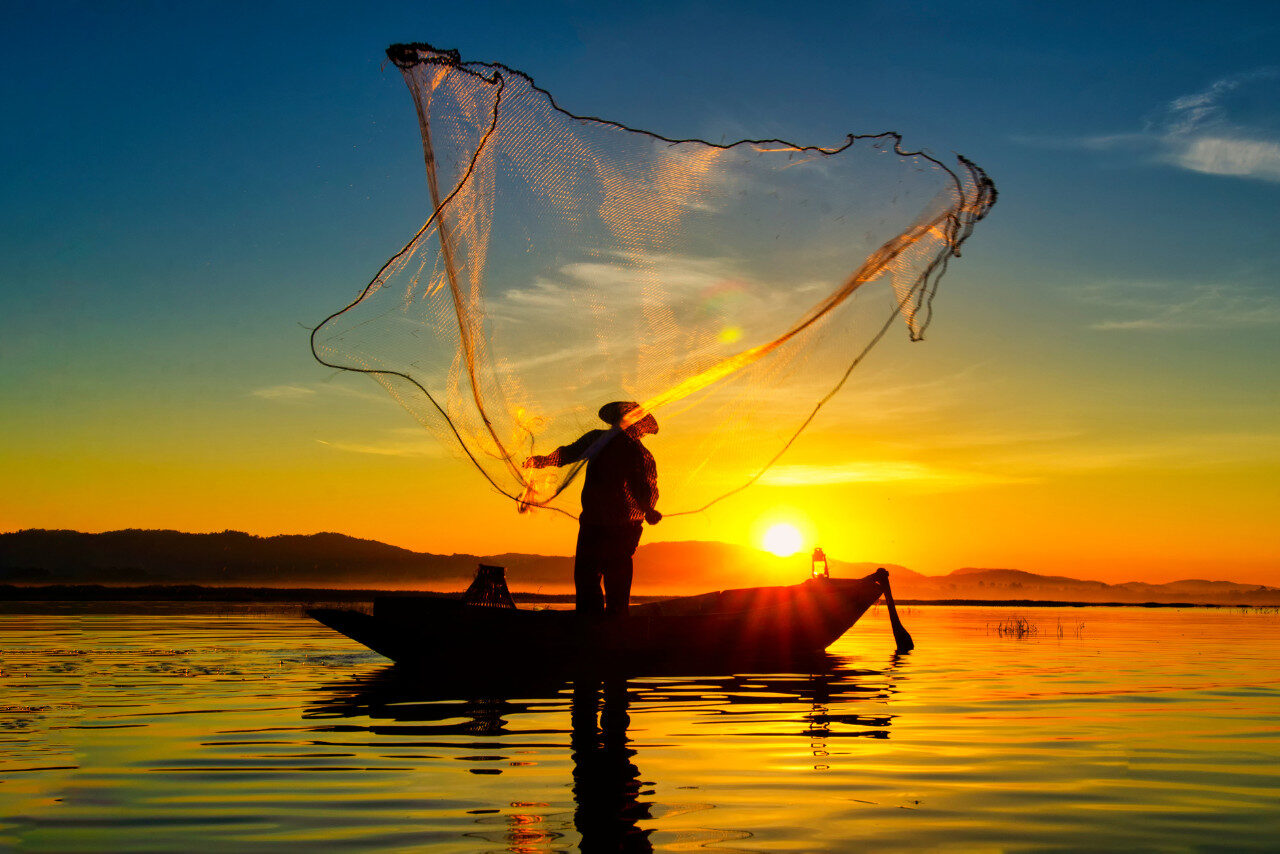
The Meghna Estuary: Lakshmipur sits on the banks of the mighty Meghna. The river here is so wide it feels like the sea, offering breathtaking views of the “Char” lands (river islands).
The Land of Soya: Lakshmipur is famously known as the “Soya Capital” of Bangladesh. During the harvest season, the fields turn into a golden sea of soybean crops.
Coconut & Betel Nut Groves: Like its neighbor Noakhali, Lakshmipur is covered in lush green canopies of coconut and betel nut trees, providing a tropical and tranquil atmosphere.
Soybean Revolution: Lakshmipur produces the vast majority of Bangladesh’s Soybeans. It is a national hub for this vital crop, earning it a special place in the country’s economy.
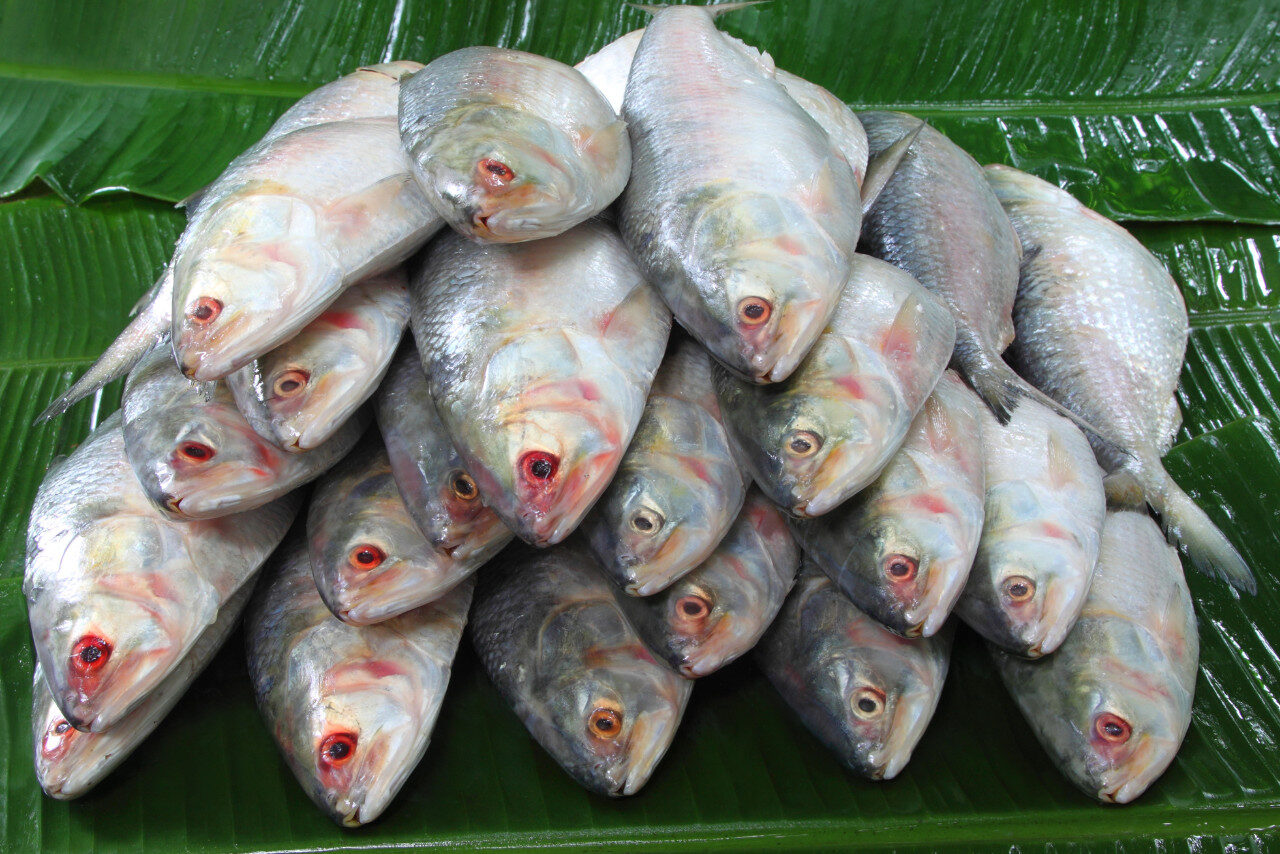
Hilsa Paradise: The coastal waters of Lakshmipur (especially in Ramgati and Kamalnagar) are famous for producing the finest and tastiest Hilsa (Ilish) fish.
Agricultural Diversity: Beyond Soya, the district is a leader in producing Betel leaf (Paun), Coconut, and Chillies.
Livestock & Dairy: The “Char” areas provide vast grazing lands, making Lakshmipur a significant producer of milk and dairy products in the region.
Tita Khan Mosque: A historic 18th-century mosque known for its unique architectural beauty and heritage.
Dalal Bazar Zamindar Bari: An ancient palace complex that tells the story of the region’s princely past and architectural grandeur.
Majumdar Bari: Another historic site featuring a massive “Dighi” (lake) and traditional structures that reflect the lifestyle of old Bengal.
Ramgati Beach: A beautiful riverside “beach” where the Meghna river meets the horizon, popular for its cooling breeze and sunset views.
Lakshmipur has been home to many brilliant minds who have contributed to literature and science:
Mohammad Nasiruddin: A legendary journalist and the founder of the famous “Saogat” magazine.
Sanaullah Nuri: A prominent writer and journalist.
Dr. Mazharul Islam: A noted folklorist and former Vice-Chancellor.
Identity: The Land of Soya & Hilsa.
Famous For: Soybean Production, Hilsa Fish, and Ancient Palaces.
Main Rivers: Meghna, Dakatia, and Katakhali.
Area: Approx. 1,454 sq km.
Key Crops : Soybean, Coconut, Betel Nut, and Paddy.
The Greater Noakhali Society Sweden is open to everyone from Noakhali, Feni, and Lakshmipur living in Sweden. Join a community where your voice matters and your heritage is celebrated.
Everything you need to know about the GNSS. From membership eligibility to our core values, find clear answers to help you navigate our community and stay connected to your roots.
It is a non-political and non-sectarian organization established on 23 November 2025 to unite people in Sweden from the Noakhali, Feni, and Lakshmipur regions.
Anyone residing in Sweden who originates from the Greater Noakhali region, including their spouses and children, is eligible to join.
Our mission is to strengthen mutual cooperation, provide humanitarian support, preserve Bangladeshi culture, and introduce the new generation to their ancestral history.
The annual membership fee is set at 200 SEK per person to support the society's activities and welfare programs.
No. The society is strictly non-political and non-sectarian. Political discussions or party-based propaganda are not permitted at any event or meeting.
The society is managed by a nine-member Executive Committee, which includes a President, Vice President, General Secretary, and Treasurer, elected every two years.
We organize at least three major events annually, including Eid gatherings, the Noakhali Mezban, Bangla New Year (Pahela Baishakh), and Pitha Festivals.
The society maintains an official bank account. All financial transactions require joint signatures from two authorized officers, with the Treasurer’s signature being mandatory.
Yes, but only with the approval of at least two-thirds of the general members to ensure any changes benefit the entire community.
Members are invited to attend our Annual General Meeting (AGM) and participate in our social and humanitarian initiatives throughout the year.
Signup our newsletter to get update information, news & insight
Greater Noakhali Society Sweden is a non-political and non-sectarian community organization established on 23 November 2025. We are dedicated to uniting residents in Sweden from Noakhali, Feni, and Lakshmipur to preserve our rich Bangladeshi heritage and support one another through mutual cooperation and humanitarian aid.
© 2026 Greater Noakhali Society Sweden | Privacy Policy